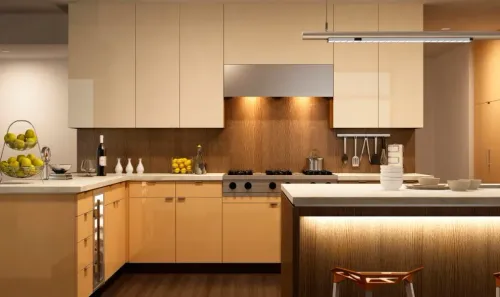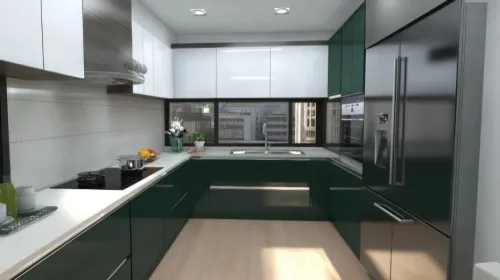
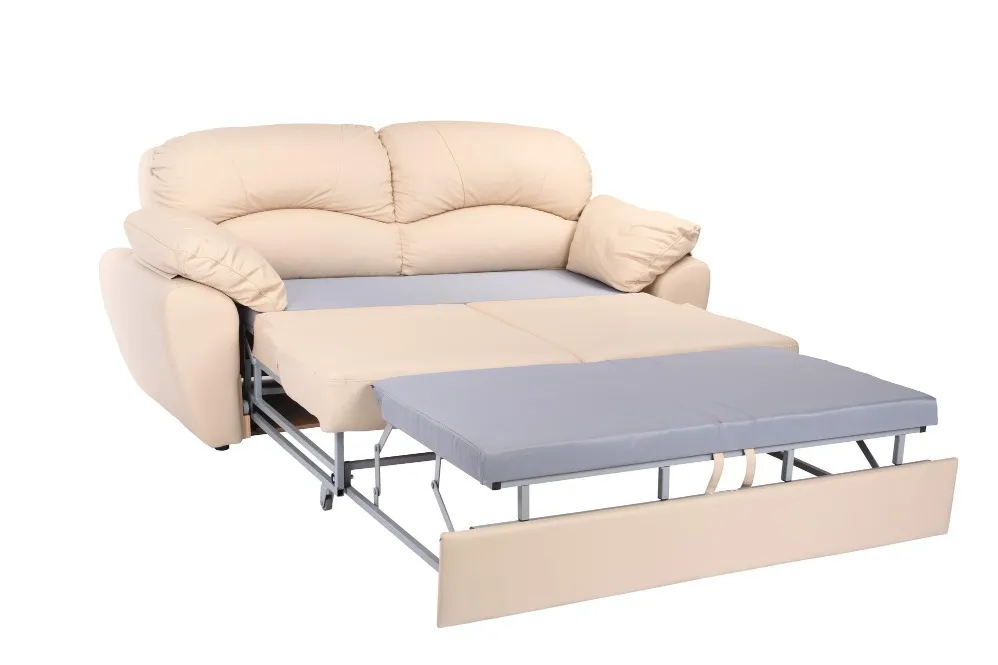
Limited floor area does not have to result in a crowded or uncomfortable home. The right furniture can increase storage, support multiple activities, and leave enough open space for natural movement. This is particularly relevant for apartment owners in Coimbatore, where compact homes often need to accommodate work, dining, relaxation, and family storage within the same area.
Space-saving furniture works best when it solves a real household need. Buying several “compact” products without an overall plan can create more clutter rather than reduce it.
Choose Furniture with More Than One Function
Multifunctional furniture allows one area to serve different purposes during the day. Useful examples include:
- A bed with built-in drawers
- A window seat with concealed storage
- A coffee table with lift-up storage
- An ottoman that doubles as a storage box
- A study desk integrated into a bookshelf
- A dining bench with internal compartments
The additional function should be easy to access. Storage under a heavy bed platform, for example, may remain unused if lifting the mattress is inconvenient. Drawers or hydraulic mechanisms can make access simpler.
Use Vertical Wall Space
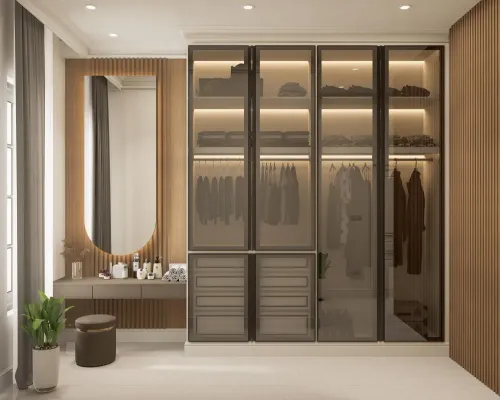
Small apartments often have unused space above eye level. Tall cabinets, wall-mounted shelves, overhead units, and loft storage can increase capacity without occupying additional floor area.
Vertical storage is especially useful for luggage, seasonal bedding, rarely used cookware, and household supplies. Daily essentials should remain within comfortable reach, while less frequently used belongings can be placed higher.
Open shelves should be used selectively. Too many exposed objects can make a compact room look visually busy. A mix of closed cabinets and a few display niches usually creates a calmer appearance.
Create a Flexible Dining Area
A conventional dining table may consume valuable floor space throughout the day. Alternatives include a wall-mounted foldable table, an extendable table, or a compact breakfast counter integrated with the kitchen.
For households that regularly host guests, an expandable design may be more practical than an extremely small fixed table. Chairs that stack or fit completely beneath the tabletop help maintain a clear passage when the dining area is not in use.
Install Sliding Instead of Swinging Doors
Swinging shutters require clearance in front of wardrobes and cabinets. Sliding doors can be useful in bedrooms with narrow walking space or furniture positioned close to the storage unit.
Sliding systems must be installed with reliable tracks and suitable hardware. Poor-quality mechanisms can become noisy or misaligned. The internal wardrobe arrangement should also compensate for the fact that only part of the cabinet is accessible at one time.
Consider Wall-Mounted Furniture
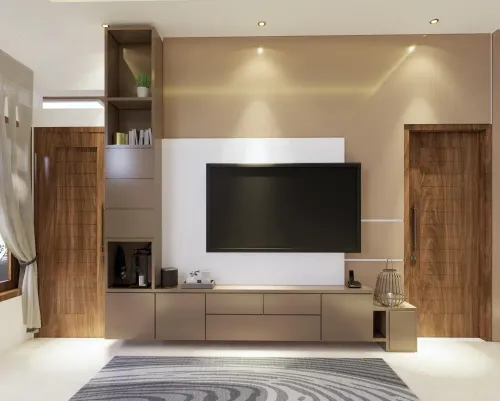
Floating television units, bedside ledges, wall-mounted study desks, and suspended storage cabinets expose more floor area. This makes rooms appear lighter and simplifies cleaning.
Wall-mounted products require proper structural support. The wall type, expected load, and fixing method should be checked before installation. Heavy units should never be attached using fittings intended only for decorative shelves.
Design Furniture Around Difficult Corners
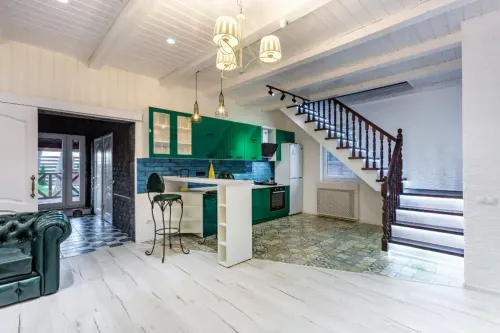
Every apartment has areas that standard furniture may not use efficiently. These could include space beneath a staircase, a shallow entrance wall, a bedroom corner, or an awkward column projection.
Customized furniture can transform such areas into shoe storage, bookshelves, workstations, utility cabinets, or display units. The design should preserve comfortable movement and avoid blocking windows, switches, or ventilation.
Keep Visual Weight Under Control
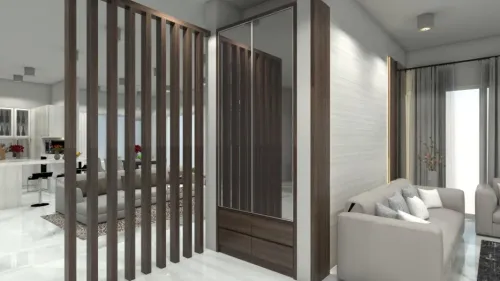
Space-saving furniture should also make the apartment feel open. Light-coloured finishes, simple profiles, raised legs, reflective surfaces, and consistent materials can reduce visual heaviness.
This does not mean every item must be white. Natural wooden tones and carefully chosen darker accents can add depth. The key is to avoid filling every available wall with bulky cabinetry.
Before selecting furniture, apartment owners should measure the room, mark door movements, and identify essential storage categories. Effective space planning is not about fitting the maximum number of units into a home. It is about retaining enough open space while giving frequently used belongings a logical and accessible place.
Keywords