Renovating an existing home is an opportunity to correct functional problems that may have developed over years of use. Insufficient storage, outdated kitchens, damaged finishes, poor lighting, and inconvenient layouts can often be improved without rebuilding the entire property.
A successful interior renovation begins with priorities. Homeowners in Coimbatore should determine which changes are essential, which are desirable, and which can be completed later.
Start with a Condition Assessment
Before selecting new colours or furniture, examine the existing property for underlying issues. These may include seepage, plumbing leaks, damaged electrical wiring, uneven flooring, termite activity, or cracked surfaces.
Installing new cabinets over an unresolved damp wall can lead to material damage. Similarly, adding appliances without reviewing the electrical load may create safety and performance problems.
A condition assessment helps separate cosmetic changes from necessary repairs.
Renovate the Kitchen Around Current Habits
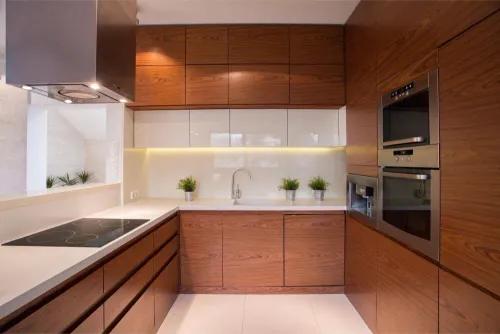
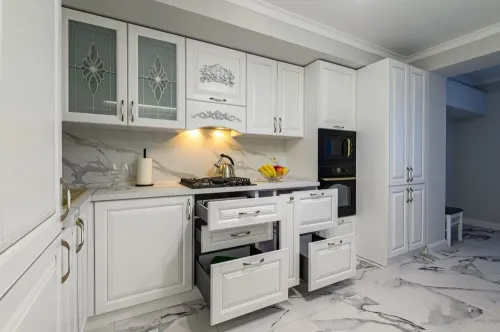
Older kitchens may have inadequate counters, inaccessible storage, or poorly positioned appliances. A modular renovation can improve efficiency through drawers, tall pantry units, corner solutions, and designated appliance spaces.
The plumbing and electrical layout should be reviewed before cabinet measurements are finalized. If structural changes are limited, storage can still be improved by reorganizing the interior and using vertical space.
Homeowners should retain service access to sinks, filters, and electrical connections.
Upgrade Wardrobes Internally
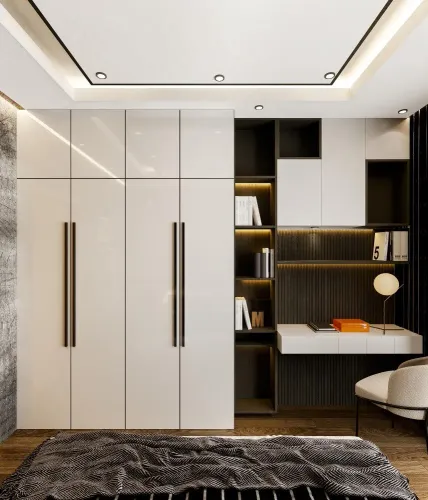
A wardrobe does not always require complete replacement. If the external structure remains sound, new shelves, drawers, hanging rods, lighting, or shutters may improve performance.
Complete replacement is more appropriate when the carcass is damaged, the depth is insufficient, or the design prevents effective organization. The decision should consider the condition of the existing materials rather than appearance alone.
Improve Lighting in Layers
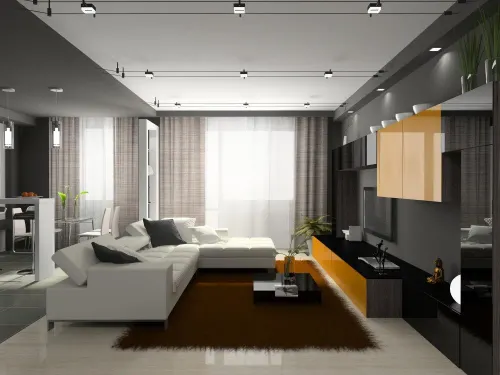
Many older homes depend on central ceiling lights that leave corners and work surfaces poorly illuminated. Renovation provides an opportunity to add task lighting, wall lights, under-cabinet lights, and indirect illumination.
Switch positions should match furniture placement. Bedside controls, reading lights, kitchen counter lighting, and properly positioned sockets can make a substantial difference to daily comfort.
Introduce Storage without Overcrowding
Renovation often begins because clutter has increased, but filling every wall with cabinets can make the home feel smaller.
Prioritize storage in underused areas such as:
- Space beneath beds
- Entry passages
- Window recesses
- Staircase areas
- Full-height wall sections
- Utility balconies
- Empty corners
Closed storage maintains visual order, while selected open shelves can display meaningful objects.
Refresh the Home Through Selective Changes
Not every surface needs to be replaced. Refinishing a strong wooden door, changing cabinet shutters, updating handles, replacing curtains, or adding a coordinated feature wall may produce a visible improvement at a lower cost.
Existing furniture can sometimes be modified or reupholstered. Retaining suitable pieces can help control the budget and reduce waste.
Plan the Renovation Sequence
Interior work should follow a logical order. Repairs, plumbing, electrical work, civil changes, flooring, ceilings, painting, and fixed furniture must be coordinated to avoid damaging completed finishes.
Homeowners should ask the renovation provider for a clear scope of work that identifies:
- Items to be removed
- Items to be retained
- Material specifications
- Electrical and plumbing changes
- Furniture drawings
- Site-protection measures
- Completion stages
- Responsibility for debris removal
Vibgiyor Wood Creations, Modular Kitchen Coimbatore can assist with customized furniture and interior solutions for existing homes. Before proceeding, homeowners should ensure that measurements, finishes, hardware, and site conditions are documented. A carefully phased renovation improves both the appearance and usability of the home while reducing avoidable rework.
Keywords