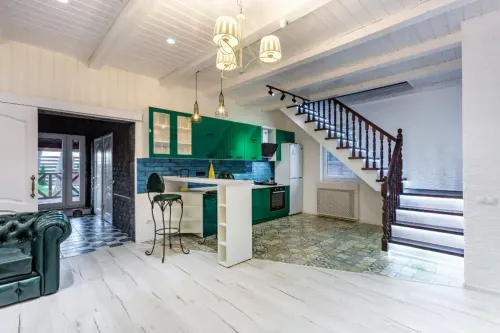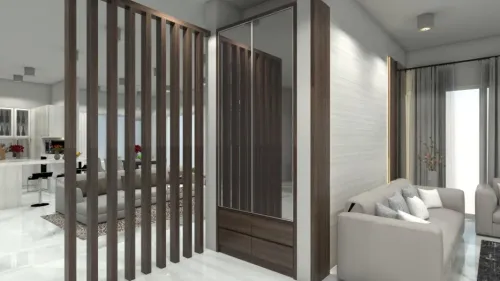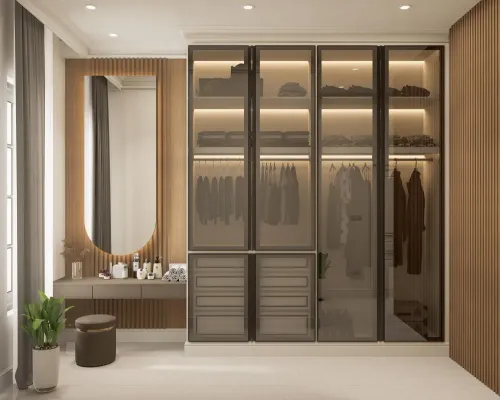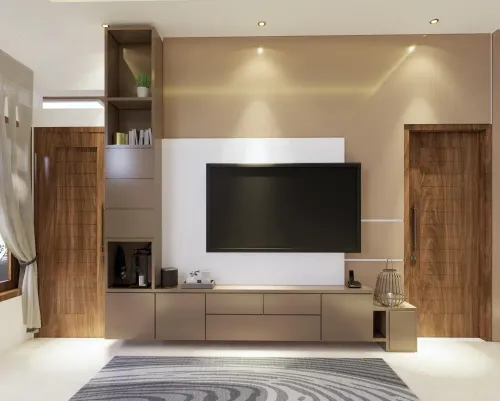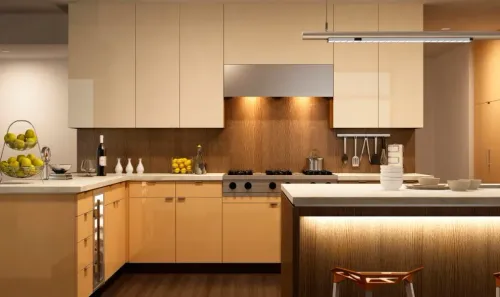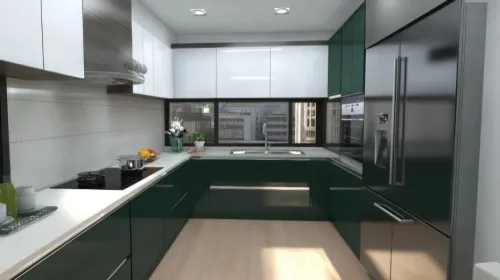
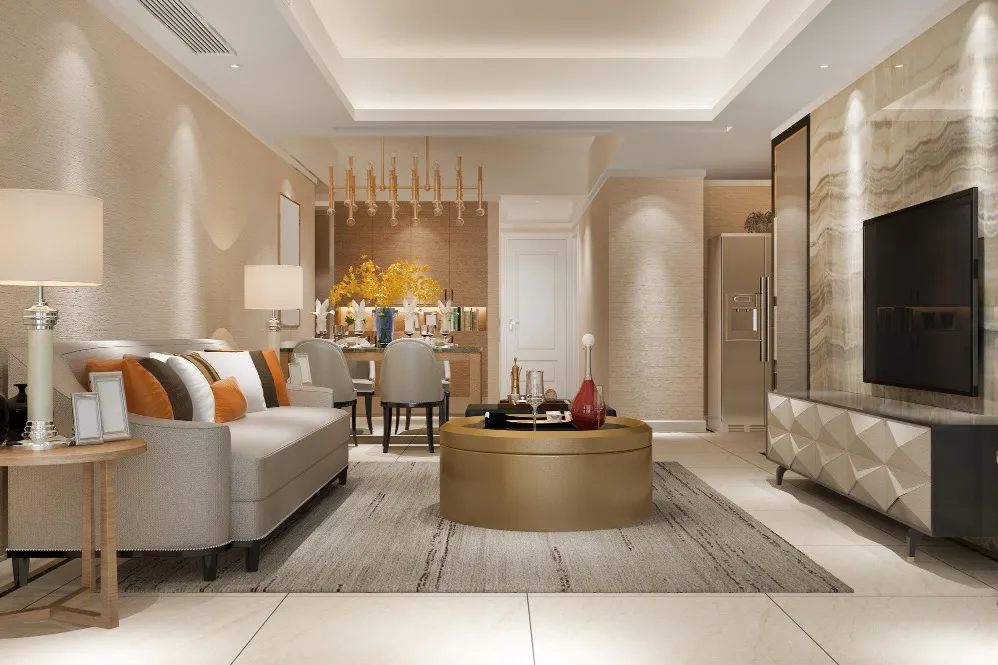
Luxury interior design is often misunderstood as the use of expensive materials throughout a home. In practice, premium interiors are distinguished by proportion, craftsmanship, comfort, and consistency. The rooms feel considered because lighting, furniture, finishes, and storage have been planned as parts of one composition.
For premium apartments and villas in Coimbatore, luxury should also respond to lifestyle. A beautiful home needs to support entertaining, privacy, maintenance, climate comfort, and everyday family routines.
Create a Clear Design Language
A premium home should have a recognizable visual identity. This may be contemporary, warm minimalist, modern classical, or inspired by natural materials. Mixing several unrelated styles can make even costly finishes look uncoordinated.
A design palette usually includes:
- Two or three primary materials
- A controlled range of colours
- One consistent metal finish
- Repeated wood tones
- Complementary fabrics and textures
Individual rooms can still have distinct personalities, but a common material or colour should connect them.
Invest in Proportion Before Decoration
The scale of furniture matters more than the number of decorative objects. An oversized sofa can restrict movement, while undersized furniture may make a large living room feel unfinished.
Furniture plans should be created before purchasing major pieces. Seating distances, passage widths, curtain clearance, and the position of lighting fixtures need to correspond with the room layout.
Custom furniture is particularly helpful where wall dimensions, niches, or ceiling heights do not suit standard products.
Use Statement Materials Selectively
Marble, natural veneer, metal, glass, textured stone, and premium fabrics can add depth to an interior. Using all of them in one room, however, may produce visual competition.
A more refined approach is to establish one focal material. A book-matched stone wall, carefully crafted wooden partition, or distinctive dining table can anchor the space while surrounding finishes remain quieter.
Material selection should also consider maintenance. Highly porous stone, delicate upholstery, and polished surfaces may require more care in frequently used areas.
Design Lighting in Layers
Luxury homes rarely depend on one central ceiling fixture. Layered lighting controls mood, highlights materials, and supports specific activities.
A complete lighting plan may include:
- Ambient ceiling illumination
- Task lights for reading or food preparation
- Cove lighting for indirect brightness
- Accent lighting for artwork and textures
- Decorative pendants or chandeliers
- Low-level lights for corridors and stairs
The electrical plan should be finalized before ceiling and wall work begins. Retrofitting wiring later can disrupt finishes and compromise the intended effect.
Conceal Functional Clutter
Premium interiors feel calm because everyday objects have planned storage. Router units, cables, cleaning equipment, footwear, luggage, appliances, and utility items should have designated places.
Concealed storage can be integrated into wall panelling, beds, window seating, vanity units, and entertainment walls. This maintains visual order without making the home impractical.
Prioritize Comfort in Private Spaces
Bedrooms should include appropriate blackout solutions, comfortable bedside lighting, quiet wardrobe hardware, and accessible charging points. Bathrooms need safe flooring, effective ventilation, sufficient counter space, and correctly placed storage.
Luxury is experienced through these small conveniences. A home may look impressive in photographs but feel inconvenient if switches, handles, or storage are poorly positioned.
Consider Local Climate and Maintenance
Coimbatore’s warm conditions make ventilation, heat control, and material performance important. Window treatments can reduce glare, while breathable layouts and suitable air-conditioning placement improve comfort. Wood and engineered materials should be properly finished and protected from dampness.
Homeowners should compare finishes not only by appearance but also by how they age. Replaceable fabrics, serviceable hardware, accessible electrical systems, and durable surfaces protect the long-term value of the interior.
Luxury interior design succeeds when visual refinement and daily usability reinforce each other. A premium home should not merely display expensive products; it should feel balanced, comfortable, personal, and exceptionally well resolved.
Keywords