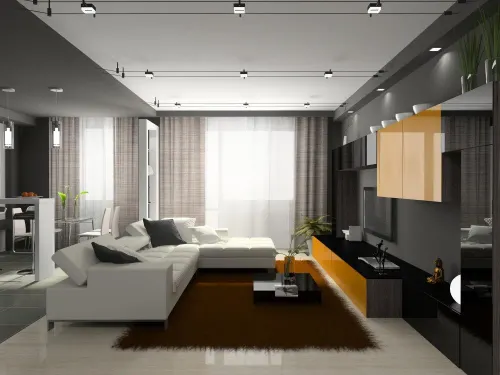
A television unit often becomes the visual centre of the living room, even when the television is not in use. Its design influences storage, cable management, seating orientation, and the appearance of the main wall. Customized TV unit designs can address these practical requirements more accurately than standard products, but customization is worthwhile only when it is based on careful planning.
Homeowners in Coimbatore can begin by identifying the equipment, storage, and viewing needs that the unit must support.
Decide Between Floating and Floor-Mounted Designs
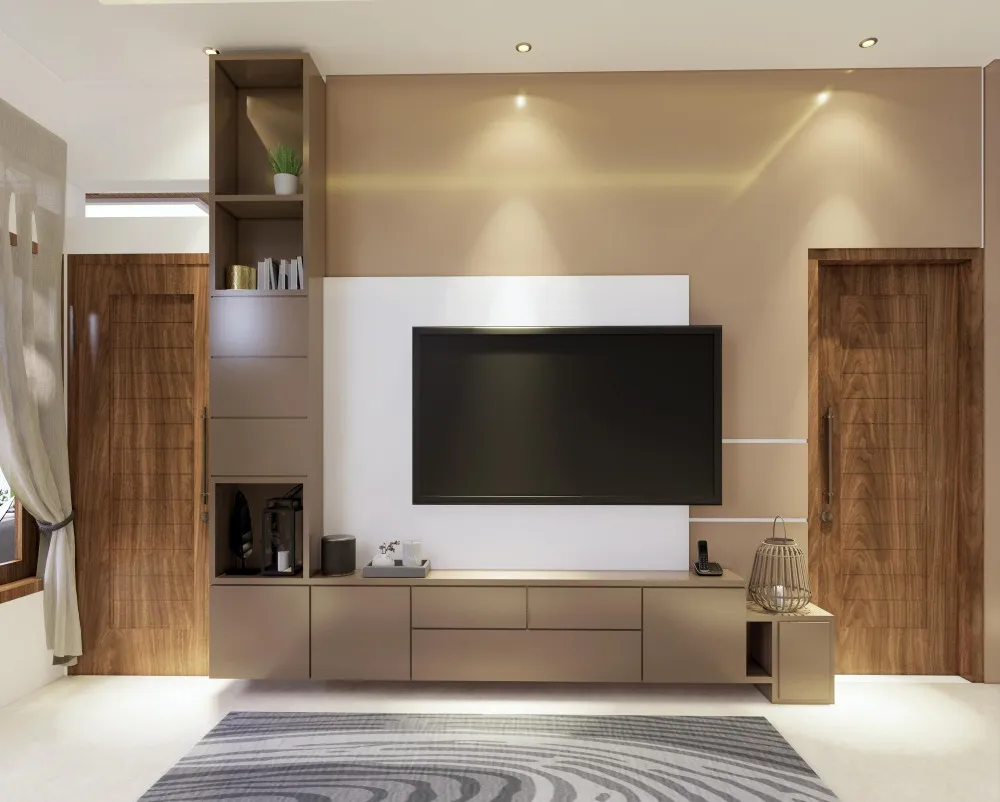
A floating TV unit is fixed above the floor, creating a lighter appearance and making cleaning easier. It suits compact apartments and contemporary interiors.
Floor-mounted units offer more support and may provide greater storage. They can be suitable for large living rooms, heavy display items, or homes where wall construction does not support a suspended cabinet.
The choice should account for the wall type, total load, and required depth. A heavy unit should be installed using appropriate structural supports rather than basic wall plugs.
Plan Around the Television Size
The unit should be proportionate to both the screen and the wall. A small panel behind a large television can look cramped, while an oversized installation may overwhelm a modest room.
Viewing distance and screen height are equally important. The centre of the screen should be comfortable to view from the main seating position. Mounting the television too high can cause neck discomfort, especially during extended viewing.
Before installation, mark the proposed screen outline on the wall and assess it from the sofa.
Conceal Cables without Blocking Access
A clean TV wall requires routes for power, data, speakers, set-top boxes, gaming consoles, and internet equipment. These connections should remain accessible for repairs and future upgrades.
Useful features include:
- Concealed cable channels
- Ventilated equipment compartments
- Removable back panels
- Openings behind electronic devices
- Separate power and data routes
- Surge-protector storage
Completely sealing electronic equipment inside a cabinet can lead to heat buildup and remote-control problems. Ventilation slots or open sections may be necessary.
Match Storage to Real Requirements
A customized TV unit can include drawers, shutters, bookshelves, display niches, or a compact work desk. The design should not add storage simply to fill the wall.
Closed cabinets are useful for cables, remotes, documents, and items that create visual clutter. Open shelves are better for a limited number of books or decorative objects. Too many niches often become difficult to style and clean.
Families with young children may prefer rounded corners and secure wall anchoring. Frequently used controls should remain easy to reach without exposing loose wires.
Select a Balanced Material Palette
Modern television units may combine laminates, veneers, fluted panels, glass, stone-look surfaces, or metal details. Using several finishes together can make the wall appear busy.
A balanced design usually relies on one primary finish, one supporting colour, and a restrained accent. Light wood tones and neutral surfaces work well in compact living rooms, while larger rooms can support darker panels or textured focal walls.
Integrate Lighting with Purpose
Backlighting can reduce the contrast between a bright screen and a dark room. Shelf lights can highlight selected objects, while concealed lighting may add depth to the wall.
Lighting should not reflect directly on the screen. Electrical drivers and transformers must remain accessible for replacement.
Evaluate Customization Value
Customization is most beneficial when the room has unusual dimensions, multiple devices, specific storage needs, or an established interior theme. A simple ready-made console may be sufficient when the requirements are minimal.
Before approving a customized unit, review a dimensioned drawing showing the TV size, cabinet depth, device openings, cable routes, and shutter movements. This ensures that the final installation is not merely attractive but genuinely usable.
Keywords