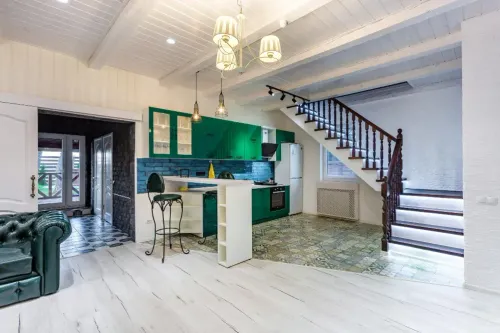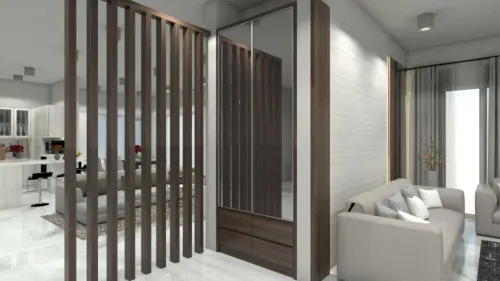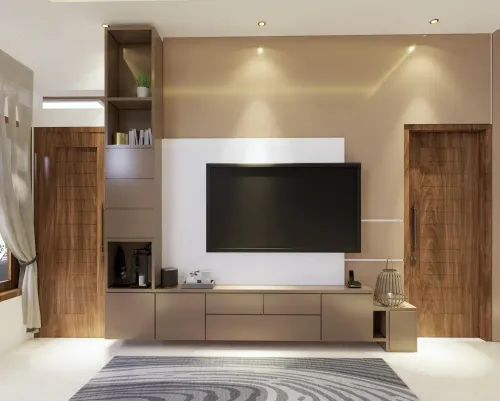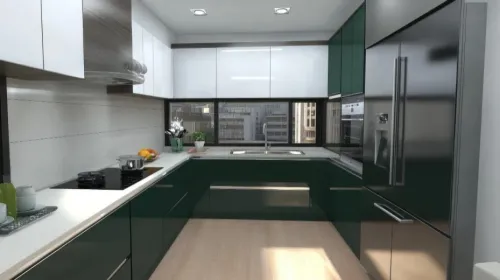
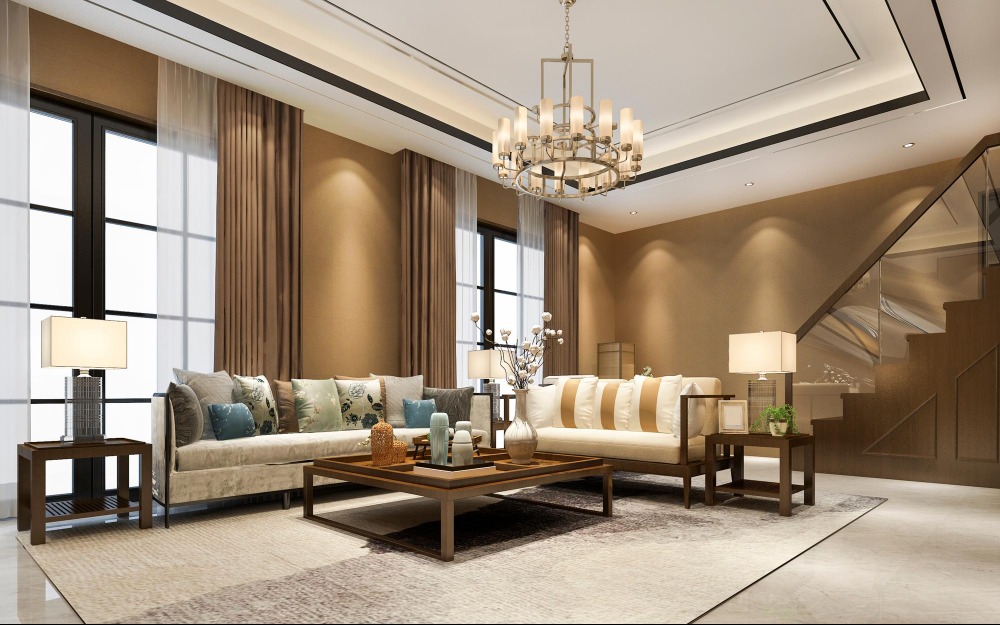
Customized furniture can solve problems that standard products cannot address, including unusual room dimensions, limited storage, awkward corners, and the need for a coordinated interior style. It can be valuable for new homes and renovations, but the quality of the result depends on planning, materials, workmanship, and installation.
Homeowners looking for customized furniture solutions in Coimbatore should evaluate a provider on more than photographs or price. A reliable process should translate household requirements into clear, buildable designs.
Identify the Problems the Furniture Must Solve
A consultation should begin with how the room is used. The provider needs to understand who will use the furniture, what must be stored, and which difficulties exist in the current arrangement.
Typical requirements may include:
- Additional wardrobe capacity
- A compact work-from-home area
- Child-friendly storage
- Concealed cable management
- Furniture for an irregular wall
- Integrated dressing space
- Easy-to-clean living-room storage
- Accessible units for older family members
Specific information leads to a better design than a general request for “more storage.”
Insist on Accurate Site Measurements
Customized furniture should be based on verified measurements rather than only an architectural plan. Completed walls can vary from drawings, and skirting, columns, beams, switchboards, and window projections affect usable dimensions.
The provider should check door movement, walking clearance, electrical points, and access for bringing materials into the home. Measurements may need to be reconfirmed after flooring, false-ceiling, or wall work is completed.
Review Drawings before Production
Dimensioned drawings help homeowners understand the external appearance and internal arrangement. They also reduce ambiguity during manufacturing.
A useful approval drawing should show:
- Overall width, depth, and height
- Shelf and drawer dimensions
- Shutter-opening direction
- Hardware positions
- Appliance or device spaces
- Cable and ventilation openings
- Material and finish codes
- Lighting provisions
Three-dimensional visuals can communicate appearance, but technical drawings are necessary to verify usability.
Compare Materials Transparently
Ask for the specific material used in the carcass, shutters, back panels, edges, and visible surfaces. Terms such as “premium wood” are not sufficiently precise.
Material selection should consider moisture exposure, load, surface durability, maintenance, and the intended life of the furniture. Kitchen sink units require different protection from bedroom cabinets, while long shelves need adequate support to prevent sagging.
Hardware specifications are equally important. Hinges, drawer channels, sliding tracks, handles, and lift-up mechanisms affect everyday performance.
Evaluate Workmanship and Installation
Inspect completed work, if possible, for consistent gaps, smooth edge finishing, stable drawers, aligned shutters, and clean junctions with walls. Ask how site corrections and final adjustments are handled.
Installation should protect existing flooring and finishes. The team should also confirm electrical or plumbing locations before drilling.
A professional provider should be willing to explain construction details and maintenance requirements in clear language.
Clarify the Scope and After-Sales Support
The quotation should state what is included rather than providing only a total amount. Clarify transportation, installation, taxes, electrical accessories, lighting, civil changes, and removal of packaging or debris.
Ask how hardware adjustments, manufacturing defects, or service requests will be managed after installation. Written warranty terms are more useful than verbal assurances.
Choose a Provider That Understands Complete Interiors
When several furniture pieces are being developed together, coordination becomes important. Wardrobes, television units, kitchen cabinets, partitions, and loose furniture should share compatible proportions and finishes.
Vibgiyor Wood Creations, Modular Kitchen Coimbatore provides modular kitchens, custom furniture, and home interior solutions for apartments and villas. Homeowners evaluating the business can discuss their room measurements, storage priorities, preferred materials, and project scope before approving production.
Customized furniture is ready to proceed when the requirements are documented, the site has been measured, drawings are approved, materials are specified, and responsibilities are clear. These readiness indicators help turn a design concept into furniture that fits the home and remains practical in everyday use.
Keywords